


October
1 October
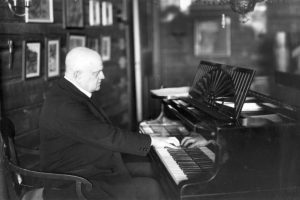 Away Up North – An Evening Of Movie Mavericks From Finland. A diverse programme but with several silents, including; Jean Sibelius at Home (Bir. Aho & Soldan, 1927, 6mins) – Late autumn, 1927, at the home of maestro Jean Sibelius in Ainola, Finland. A charming, little, free-form documentary about Sibelius and his family celebrating an autumn day. Heidi and Margareta Sibelius play four-hand piano, Aino is busy in the garden, the morning papers and a cigar start the master’s day. A classic from Finnish documentary pioneers Heikki Aho and Björn Soldan; Once Upon Time There Was Winter – and Snow (Unknown,1934, 6 min)The Finnish realm of snow and ice. In this unknown gem from almost a century ago, the progress of an icebreaker ship feels like a symbol of the modernisation and urbanisation of the world: slow but inevitable. The relationship with nature is
 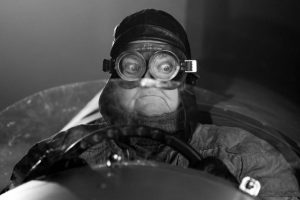 still carefree. Joys of winter are taken for granted, and the urban core of Finland produces images that may seem like a fairytale to an outsider. Greetings from a time of innocence; and, Distant Planet (Juha Kuosmanen, 2023, 16 min) Using handmade trickery, silent cinema is reawakened with a modern twist. From the Cannes-winning director Juho Kuosmanen , the final instalment of the celebrated silent trilogy tells a story of lighthouse-keeper Marlanda and her little brother Maximilian. It’s a bedtime story about the end of everything and the extraordinary attempts to survive it. But it’s not bedtime, it’s just the interval. With live musical accompaniment by Lau Nau and Henri Utan K. Cinema Museum, Lambeth Link
2 October
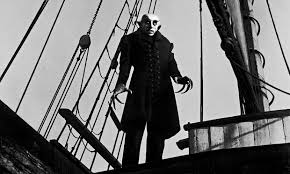 Nosferatu (Dir. F W Murnau, 1922) (Screening format – not known, 96mins) A German Expressionist horror masterpiece starring Max Shreck as the vampire Count Orlok. The film was an unauthorised adaption of Bram Stoker’s ‘Dracula’ with names and other details changed because the studio could not obtain the rights to the novel. Stoker’s heirs sued over the adaption and a court ruling ordered that all copies of the film be destroyed. However, a few prints survived and the film came to be regarded as an inspirational master work of the cinema. In the film, Count Orlok travels across Europe leaving a trail of death in his wake. Brilliantly eerie, with imaginative touches which later adaptions never achieved. Find out more at wikipedia.org With live musical accompaniment by Hugo Max. Prince Charles Cinema, London Link
3 October
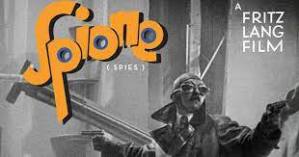 Spione (aka Spies) (Dir. Fritz Lang, Ger, 1928) (Screening format – not known, 150 mins) Spione is an espionage thriller, directed by master filmmaker Fritz Lang and co-written with his then-wife, Thea von Harbou. Like many of Lang’s most famous films, the sophisticated multi-plot narrative presents a master criminal aiming for world domination. In fact, the film weaves
  together recurrent Lang themes of fate, fear, power and paranoia into a dynamic conspiracy thriller that taps into the underlying tensions of Weimar Germany and presents the modern city as at once liberating and frightening. On screen, the mastermind Haghi (Rudolph Klein-Rogge), behind a ubiquitous spy operation learns of a dangerous romance between a Russian lady in his employ, Sonya Baranikowa (Gerda Maurus), and dashing agent 326 (Willy Fritsch), from the government’s secret service. Find out more at sensesofcinema.com With recorded Neil Brand score. Goethe Institute, London Link
 Adventures of Prince Achmed (Dir. Lotte Reiniger , Ger, 1926) (Screening format – not known, 65mins) The first feature-length animation in film history, masterminded by Lotte Reiniger and hand-tinted frame by frame. Based on ‘The Arabian Nights’, the film tells the epic tale of Prince Achmed, who is tricked into mounting a magical flying horse by a wicked sorcerer. The horse carries Achmed off on a series of adventures, over the course of which he joins forces with young Aladdin, battles ogres and monsters and romances the beautiful Princess Peri Banu.Find out more at wikipedia.org . With recorded musical accompaniment by Wolfgang Zeller. Goethe Institute, London Link
4 October
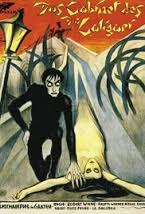 The Cabinet of Dr Caligari (Dir. Robert Wiene, 1920) (Screening format – not known, 77 mins) In the village of Holstenwall, fairground hypnotist Dr Caligari (Werner Krauss) puts on show a somnambulist called Cesare (Conrad Veidt) who has been asleep for twenty three years. At night, Cesare walks the streets murdering people on the doctor’s orders. A student (Friedrich Feher) suspects Caligari after a friend is found dead and it transpires that the doctor is the director of a lunatic asylum. Fueled by the pessimism and gloom of post-war Germany, the sets by Hermann Warm stand unequaled as a shining example of Expressionist design. Find out more at wikipedia.org. With live musical accompaniment by Hugo Max. Prince Charles Cinema, London Link
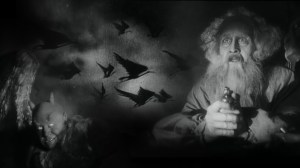 Faust (Dir. F W Murnau, Ger, 1926) (Screening format – not known, 107mins) Like Fritz Lang, F.W. Murnau is a towering figure of Weimar cinema, thanks to films such as Nosferatu (1922), The Last Laugh (1924), and, after moving to America, Sunrise: A Song of Two Humans (1927). Murnau’s approach to framing and his use of liberating camera movements suggested to subsequent filmmakers a new way of using the pictorial space. Faust, the director’s final German film, draws on sources including Marlowe and Goethe in service of the story of a man who makes a deal with the devil. Murnau’s Faust was the most technically elaborate and expensive production undertaken by Ufa until it was surpassed by Metropolis the following year. Filming took six months, at a cost of 2 million marks, only half of which was recovered at the box office. According to many film historians, Faust seriously influenced subsequent studio shooting and special effects techniques. Murnau used two cameras, each filming multiple shots; with many scenes requiring multiple takes. Faust was Murnau’s last German film, immediately prior to his move to the US. Find out more at rogerebert.com. With live organ accompaniment by Darius Battiwalla. Holy Trinity Church, Eccleshall Link
7 October
 A Page of Madness (aka Kurutta Ippēji) (Dir.Teinosuke Kinugasa, Jap, 1926) (Screening format – not known, 73mins) A man (Masao Inoue) takes a job as a caretaker at a mental asylum in order to be near his wife (Yoshie Nakagawa). Although his wife suffers genuine mental anguish, the man believes he can rescue her , but all is not quite as it seems….Considered lost for some 45 years, Kinugasa thankfully found the print in his garden shed in the early 1970s. A Page of Madness is a visually stunning, and technically dazzling work of surrealism. Teinosuke utilizes flashbacks, rhythmic intercutting, and impressionistic symbolism in this independently produced, experimental, avant-garde work with its cinematic technique equal to if not superior to that of contemporary European cinema and very much reminiscent of Robert Weine’s The Cabinet of Dr. Caligari (1920). The film contained no intertitles as it was intended to be exhibited with live narration delivered by a benshi who would stand to the side of the screen and introduce and relate the story to the audience. Find out more at midnighteye.com . With live musical accompaniment by Hugo Max. Ultimate Picture Palace, Oxford Link
9 October
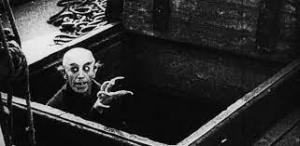 Nosferatu (Dir. F W Murnau, 1922) (Screening format – not known, 96mins) A German Expressionist horror masterpiece starring Max Shreck as the vampire Count Orlok. The film was an unauthorised adaption of Bram Stoker’s ‘Dracula’ with names and other details changed because the studio could not obtain the rights to the novel. Stoker’s heirs sued over the adaption and a court ruling ordered that all copies of the film be destroyed. However, a few prints survived and the film came to be regarded as an inspirational master work of the cinema. In the film, Count Orlok travels across Europe leaving a trail of death in his wake. Brilliantly eerie, with imaginative touches which later adaptions never achieved. Find out more at wikipedia.org With live musical accompaniment by Hugo Max. Saffron Walden Town Hall Link
10 October
The Adventures of Prince Achmed (Dir. Lotte Reiniger , Ger, 1926) (Screening format – not known, 65mins) The first feature-length animation in film history, masterminded by Lotte Reiniger and hand-tinted frame by frame. Based on ‘The Arabian Nights’, the film tells the epic tale of Prince Achmed, who is tricked into mounting a magical flying horse by a wicked sorcerer. The horse carries Achmed off on a series of adventures, over the course of which he joins forces with young Aladdin, battles ogres and monsters and romances the beautiful Princess Peri Banu.Find out more at wikipedia.org . With live musical accompaniment by Hugo Max. The Magic Lantern Cinema, Tywyn Link
11 October
 The Lodger: A Story of the London Fog (Dir. Alfred Hitchcock, UK, 1927) (Screening format – not known, 91 mins ) In The Lodger, a serial killer known as “The Avenger” is on the loose in London, murdering blonde women. A mysterious man (Ivor Novello) arrives at the house of Mr. and Mrs. Bunting looking for a room to rent. The Bunting’s daughter (June Tripp) is a blonde model and is seeing one of the detectives (Malcolm Keen) assigned to the case. The detective becomes jealous of the lodger and begins to suspect he may be the avenger. Based on a best-selling novel by Marie Belloc Lowndes, first published in 1913, loosely based on the Jack the Ripper murders, The Lodger was Hitchcock’s first thriller, and his first critical and commercial success. Made shortly after his return from Germany, the film betrays the influence of the German expressionist tradition established in such films as The Cabinet of Dr. Caligari (1919) and Nosferatu (1922). Find out more at silentfilm.org . With live musical accompaniment by Hugo Max. Chiswick Cinema, London Link
17 October
 The General (Dir. Buster Keaton/Clyde Bruckman, 1926) (Screening format – not known, 75mins) Widely considered one of the greatest films ever made and one of the most revered comedies of the silent era, Buster Keaton’s effortless masterpiece sees hapless Southern railroad engineer Johnny Gray (Keaton) facing off against Union soldiers during the American Civil War. When Johnny’s fiancée, Annabelle Lee (Marion Mack), is accidentally taken away while on a train stolen by Northern forces, Gray pursues the soldiers, using various modes of transportation in comic action scenes that highlight Keaton’s boundless, innovative wit and joyful, light-hearted dexterity, to reclaim the train and thereby save the South. Find out more at busterkeaton.com . With live organ accompaniment by Donald Mackenzie. Bridlington Priory, Bridlington Link
A Page of Madness (aka Kurutta Ippēji) (Dir.Teinosuke Kinugasa, Jap, 1926) (Screening format – not known, 73mins) A man (Masao Inoue) takes a job as a caretaker at a mental asylum in order to be near his wife (Yoshie Nakagawa). Although his wife suffers genuine mental anguish, the man believes he can rescue her , but all is not quite as it seems….Considered lost for some 45 years, Kinugasa thankfully found the print in his garden shed in the early 1970s. A Page of Madness is a visually stunning, and technically dazzling work of surrealism. Teinosuke utilizes flashbacks, rhythmic intercutting, and impressionistic symbolism in this  independently produced, experimental, avant-garde work with its cinematic technique equal to if not superior to that of contemporary European cinema and very much reminiscent of Robert Weine’s The Cabinet of Dr. Caligari (1920). The film contained no intertitles as it was intended to be exhibited with live narration delivered by a benshi who would stand to the side of the screen and introduce and relate the story to the audience. Find out more at midnighteye.com . With live musical accompaniment by Hugo Max. Tyneside Cinema, Newcastle Link
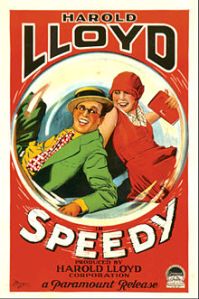 Speedy (Dir. Ted Wilde, US, 1928) (Screening format – not known, 86mins) Harold Lloyd’s final silent film sees him reprise his ‘glasses character’ as a baseball-obsessed New Yorker (the film features a cameo from the legendary Babe Ruth) who becomes determined to save the city’s last horse-drawn streetcar, motivated in no small part by its owner being the grandfather of his love interest. Filled with Lloyd’s trademark rapid-fire visual humour and elaborate set-ups, it’s a fine example of his innovative approach to comedy. Find out more at allmovie.com. With live musical accompaniment by Mike Nolan (piano). Hippodrome Cinema, Bo’ness Link
 The Blinking Buzzards Quarterly meeting of The UK Buster Keaton Society, dedicated to the appreciation of the silent comedian. The last meeting of the year is a request session, so expect to see beloved gems chosen by Society members. With recorded score. The Cinema Museum, Lambeth Link
18 October
 Phantom Of The Opera (Dir. Rupert Julian, 1925) (Screening format – not known, 103mins) A title that needs no introduction, The Phantom of the Opera has spawned many remakes, remasters and sequels. This original film version, produced with moments of early Technicolour, sees Lon Chaney, the ‘Man of a Thousand Faces’ perform one of his most iconic roles. His ghastly make-up and outrageous performance made this title a benchmark in the American silent film era. The film was a critical and commercial success upon release, and still stands as an important film in cinematic history to this day. Famed for the phantom’s shock unmasking, incredible set designs and the masked ball sequence, it still packs a punch. Find out more at wikipedia.org With live musical accompaniment by Andrew Wasylyk and Tommy Perman performing their new live score. Arts Centre, Paisley Link
Nosferatu (Dir. F W Murnau, 1922) (Screening format – not known, 96mins) A German Expressionist horror masterpiece starring Max Shreck as the vampire Count Orlok. The film was an unauthorised adaption of Bram Stoker’s ‘Dracula’ with names and other details changed because the studio could not obtain the rights to the novel. Stoker’s heirs sued over the adaption and a court ruling ordered that all copies of the film be destroyed. However, a few prints survived and the film came to be regarded as an inspirational master work of the cinema. In the film, Count Orlok travels across Europe leaving a trail of death in his wake. Brilliantly eerie, with imaginative touches which later adaptions never achieved. Find out more at wikipedia.org With live organ accompaniment by Donald Mackenzie. Paramount, Penistone. Link
21 October
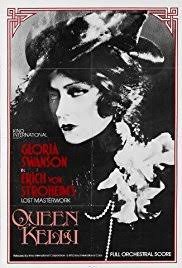 Queen Kelly (Dir. Erich von Stroheim, US, 1929) (Screening format – digital, 101mins) A young convent girl is seduced by a European nobleman, arousing the ire of his bride-to-be Queen Kelly and eventually finding herself exiled to a brothel in East Africa. This film solidified Stroheim’s reputation for extravagance and insistence on complete artistic freedom regardless of economic considerations. It would cost him his Hollywood career. Visually striking and perverse, this film was Erich von Stroheim’s last silent film and final directorial project. The production of the costly film was shut down after complaints by the star, Gloria Swanson, about the direction the film was taking. In later interviews, Swanson had claimed that she had been misled by the script which referred to her character arriving in, and taking over, a dance hall; looking at the rushes, it was obvious the ‘dance hall’ was actually a brothel. Stroheim was fired from the film and much of the story-line scrapped. Swanson and producer Joseph P Kennedy (with whom
 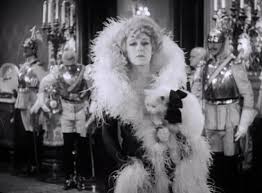 Swanson was having an affair) still wanted to salvage what was left, as it had been so costly and time-consuming, and had potential market value. An alternate ending was shot and the film was released in Europe and South America (but never in the US). This is the UK premier of a newly restored version of the film. Basing his reconstruction on von Stroheim’s original scripts, Milestone Films’ Dennis Doros and Amy Heller employed multiple techniques to recreate the film’s lurid dénouement. This vital new digital reconstruction brings von Stroheim’s original script to life, and the result is Queen Kelly in its most complete and spectacular form to date. Find out more at sensesofcinema.com. Introduced by critic and film historian Pamela Hutchinson. With recorded score. Queen’s Film Theatre, Belfast Link
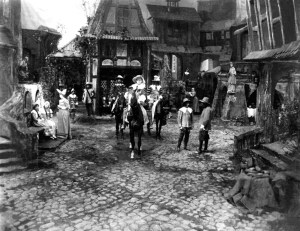 The Arrival From Darkness (aka Prichozi z temnot) (Dir. Jan S. Kolár, Czech, 1921) (Screening format – digital, 62 mins) A 1921 supernatural fantasy from Czechoslovakia which follows a collector who revives his 16th-century ancestor using an ancient manuscript and the Elixir of Life, unleashing a gothic tale involving alchemy, plague-era mysticism, ruined castles, and occult rituals. Shot at Czech castles and historic locations, the film also showcases the work of cinematographers Otto Heller and Otto
  Hoffmann. Heller would later become a major figure in British cinema, photographing films including The Ladykillers and Peeping Tom. Director Jan S. Kolár, born in Prague in 1896, was among the defining figures of the Czech silent era, working as a director, screenwriter, actor, and producer during the industry’s formative years in that country. The cast includes Theodor Pistek, Josef Svab and Anny Ondra. Find out more at www.filmovyprehled.cz Presented by the Kennington Bioscope. With live musical accompaniment. Cinema Museum, Lambeth. Link
22 October
Queen Kelly (Dir. Erich von Stroheim, US, 1929) (Screening format – digital, 101mins) A young convent girl is seduced by a European nobleman, arousing the ire of his bride-to-be Queen Kelly and eventually finding herself exiled to a brothel in East Africa. This film solidified Stroheim’s reputation for extravagance and insistence on complete artistic freedom regardless of economic considerations. It would cost him his Hollywood career. Visually striking and perverse, this film was Erich von Stroheim’s last silent film and final directorial project. The production of the costly film was shut down after complaints by the star, Gloria Swanson, about the direction the film was taking. In later interviews, Swanson had claimed that she had been misled by the script which referred to her character arriving in, and taking over, a dance hall; looking at the rushes, it was obvious the ‘dance hall’ was actually a brothel. Stroheim was fired from the film and much of the story-line scrapped. Swanson and producer Joseph P Kennedy (with whom Swanson was having an affair) still wanted to salvage what was left, as it had been so costly and time-consuming, and had potential market value. An alternate ending was shot and the film was released in Europe and South America (but never in the US). This is the UK premier of a newly restored version of the film. Basing his reconstruction on von Stroheim’s original scripts, Milestone Films’ Dennis Doros and Amy Heller employed multiple techniques to recreate the film’s lurid dénouement. This vital new digital reconstruction brings von Stroheim’s original script to life, and the result is Queen Kelly in its most complete and spectacular form to date. Find out more at sensesofcinema.com. With recorded score. Everyman Cinema, Bath Link
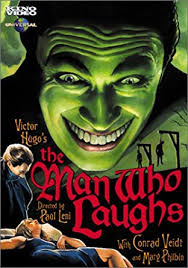 The Man Who Laughs (Dir. Paul Leni, USA, 1928) (Screening format – not known, 110mins) In an effort to top the critical and financial success of The Hunchback of Notre Dame and The Phantom of the Opera, studio head Carl Laemmle recruited two influential artists of the German Expressionist school: actor Conrad Veidt (The Cabinet of Dr. Caligari) and director Paul Leni (Waxworks). The shadowy exteriors, the carnival setting, the demonically misshapen “hero” made The Man Who Laughs something entirely new to American cinema-the foundation upon which the classic Universal horror films would be built. Veidt stars as Gwynplaine, a nobleman’s son who is kidnapped by a political enemy, and then is mutilated by a gypsy “surgeon” who carves a monstrous smile
  upon his face. Finding shelter in a traveling freakshow, he falls in love with a blind girl (The Phantom Of the Opera‘s Mary Philbin), the one person who cannot be repulsed by his appearance. As years pass, the hand of fate draws Gwynplaine back into the world of political intrigue. He becomes the plaything of a jaded duchess (Freaks‘ Olga Baclanova), and his enemies renew their efforts to control him. The distinctive ‘look’ of Gwynplaine is cited as a major influence for the American comic book
  writer, animator and artist, Bob Kane, when he created the visual aesthetics of Batman’s grinning nemesis: the Joker. Veidt’s extraordinary performance, and the film overall however, deserve to be celebrated for far more than this. The gripping story is propelled by director Paul Leni’s masterful visual style, rewarding us with excitement, pathos plus a triumphant star-turn by Zimbo the dog!Find out more at rogerebert.com. Presented by Northern Silents. With live musical accompaniment by pianist Jonny Best and cellist Liz Hanks. Link
 Haxan: Witchcraft Through the Ages (Dir. Benjamin Christensen, Swe., 1922) ( Screening format – not known, 105mins) A fictionalized documentary with dramatic reconstructions showing the evolution of witchcraft, from its pagan roots to its confusion with hysteria in modern (1922) Europe. Based partly on Christensen’s study of the Malleus Maleficarum, a 15th-century German guide for inquisitors, Häxan is a study of how superstition and the misunderstanding of diseases and mental illness could lead to the hysteria of the witch hunts. Although it won acclaim in Denmark and Sweden when first released, Haxan was heavily censored or banned outright in many countries. But it is now considered to be Christensen’s finest work, a witches’ brew of the scary, the grotesque, and the darkly humorous. Find out more at thedevilsmanor.blogspot.co.uk . With live musical accompaniment by Hugo Max. Prince Charles Cinema, London Link
23 October
Phantom Of The Opera (Dir. Rupert Julian, 1925) (Screening format – not known, 103mins) A title that needs no introduction, The Phantom of the Opera has spawned many remakes, remasters and sequels. This original film version, produced with moments of early Technicolour, sees Lon Chaney, the ‘Man of a Thousand Faces’ perform one of his most iconic roles. His ghastly make-up and outrageous performance made this title a benchmark in the American silent film era. The film was a critical and commercial success upon release, and still stands as an important film in cinematic history to this day. Famed for the phantom’s shock unmasking, incredible set designs and the masked ball sequence, it still packs a punch. Find out more at wikipedia.org With live organ accompaniment by Donald Mackenzie. Caird Hall, Dundee. Link
 People on Sunday (Dir. Robert Siodmak/Edgar G Ulmer, Ger, 1929) (Screening format – digital, 74mins) Famously, Billy Wilder and Fred Zinnemann worked with Siodmak on this landmark of realist film making, a magical blend of documentary and fiction which takes us back to a glorious summer Sunday in late-1920s Berlin where five young workers take a day off to spend a flirtatious afternoon
 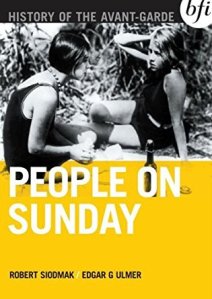 together at a lake on the edge of the city.. While they enjoy freedoms un-dreamt of by their parents, sexual rivalry soon lends an edge to their flirtations. The people portraying the characters were all amateurs belonging to a Berlin collective who, the opening credits inform us, had returned to their normal jobs by the time of the film’s release. They included a taxi driver, a record seller and a wine merchant. But together, the cast and crew produced a classic of silent film and one which still feels remarkably modern. Find out more at archive.org With recorded score. BFI Southbank, London Link
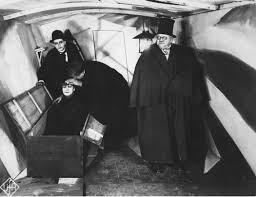 The Cabinet of Dr Caligari (Dir. Robert Wiene, 1920) (Screening format – not known, 77 mins) In the village of Holstenwall, fairground hypnotist Dr Caligari (Werner Krauss) puts on show a somnambulist called Cesare (Conrad Veidt) who has been asleep for twenty three years. At night, Cesare walks the streets murdering people on the doctor’s orders. A student (Friedrich Feher) suspects Caligari after a friend is found dead and it transpires that the doctor is the director of a lunatic asylum. Fueled by the pessimism and gloom of post-war Germany, the sets by Hermann Warm stand unequaled as a shining example of Expressionist design. Find out more at wikipedia.org. With live musical accompaniment by Hugo Max. Prince Charles Cinema, London Link
24 October
Phantom Of The Opera (Dir. Rupert Julian, 1925) (Screening format – not known, 103mins) A title that needs no introduction, The Phantom of the Opera has spawned many remakes, remasters and sequels. This original film version, produced with moments of early Technicolour, sees Lon Chaney, the ‘Man of a Thousand Faces’ perform one of his most iconic roles. His ghastly make-up and outrageous performance made this title a benchmark in the American silent film era. The film was a critical and commercial success upon release, and still stands as an important film in cinematic history to this day. Famed for the phantom’s shock unmasking, incredible set designs and the masked ball sequence, it still packs a punch. Find out more at wikipedia.org With live musical accompaniment by Andrew Wasylyk and Tommy Perman performing their new live score. Lighthouse Cinema, Dublin Link
Faust (Dir. F W Murnau, Ger, 1926) (Screening format – not known, 107mins) Like Fritz Lang, F.W. Murnau is a towering figure of Weimar cinema, thanks to films such as Nosferatu (1922), The Last Laugh (1924), and, after moving to America, Sunrise: A Song of Two Humans (1927). Murnau’s approach to framing and his use of liberating camera movements suggested to subsequent filmmakers a new way of using the pictorial space. Faust, the director’s final German film, draws on sources including Marlowe and Goethe in service of the story of a man who makes a deal with the devil. Murnau’s Faust was the most technically elaborate and expensive production undertaken by Ufa until it was surpassed by Metropolis the following year. Filming took six months, at a cost of 2 million marks, only half of which was recovered at the box office. According to many film historians, Faust seriously influenced subsequent studio shooting and special effects techniques. Murnau used two cameras, each filming multiple shots; with many scenes requiring multiple takes. Faust was Murnau’s last German film, immediately prior to his move to the US. Find out more at rogerebert.com. With live musical accompaniment by Jane Gardner (piano) and Hazel Morrison (percussion). Hippodrome Cinema, Bo’ness Link
25 October
Phantom Of The Opera (Dir. Rupert Julian, 1925) (Screening format – not known, 103mins) A title that needs no introduction, The Phantom of the Opera has spawned many remakes, remasters and sequels. This original film version, produced with moments of early Technicolour, sees Lon Chaney, the ‘Man of a Thousand Faces’ perform one of his most iconic roles. His ghastly make-up and outrageous performance made this title a benchmark in the American silent film era. The film was a critical and commercial success upon release, and still stands as an important film in cinematic history to this day. Famed for the phantom’s shock unmasking, incredible set designs and the masked ball sequence, it still packs a punch. Find out more at wikipedia.org With live musical accompaniment by Andrew Wasylyk and Tommy Perman performing their new live score. Black Box, Belfast Link
The Cabinet of Dr Caligari (Dir. Robert Wiene, 1920) (Screening format – not known, 77 mins) In the village of Holstenwall, fairground hypnotist Dr Caligari (Werner Krauss) puts on show a somnambulist called Cesare (Conrad Veidt) who has been asleep for twenty three years. At night, Cesare walks the streets murdering people on the doctor’s orders. A student (Friedrich Feher) suspects Caligari after a friend is found dead and it transpires that the doctor is the director of a lunatic asylum. Fueled by the pessimism and gloom of post-war Germany, the sets by Hermann Warm stand unequaled as a shining example of Expressionist design. Find out more at wikipedia.org. With recorded score. Palace Cinema, Broadstairs Link
 Wings (Dir. William Wellman, USA, 1927) (Screening format – not known, 144mins) In 1917, in a small American town, Jack Powell (Charles Rogers) tinkers on a car, while daydreaming about airplanes. When the car is roadworthy, Jack names it “Shooting Star” and Mary Preston (Clara Bow), the girl next door who helped him, paints a star on the side of the vehicle. Oblivious to the infatuated Mary’s feelings for him, Jack invites a more sophisticated city girl, Sylvia Lewis, to accompany him on the first drive. Sylvia rides with Jack, but she is in love with David Armstrong (Richard Arlen), the son of the town’s wealthiest family. Later, when the United States enters World War I, Jack and David enlist and apply to aviation school. Before they leave, Sylvia signs a picture of herself and puts it in a locket for David, but when Jack sees it and thinks it is meant for him, she does not have the heart to contradict him. David, who returns Sylvia’s
 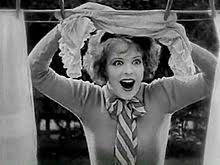 affection, is hurt, but she takes him aside and explains that, although Jack has her picture, David has her heart…. But will friendship and relationships survive the tragedy and drama of the war years. Made only nine years after the end of the First World War, the film was written by John Monk Saunders, a veteran pilot who who also wrote Howard Hawks’ classic The Dawn Patrol, filmed three years later. Saunders hadn’t actually served in France, a matter of bitter regret to him himself, but he was a flight instructor in the First World War and a member of the Lost Generation who eventually killed himself. Wellman himself did serve in
  France and was mentally and physically scarred for life – so they knew their stuff. For example, Wellman insisted on waiting a month for the “right cloud formations”, much to the fury of the bosses at Paramount – but the power of the flight sequences, with all the piles of cloud glimpsed from and around the planes, shows he was right. On August 12, 1927, the curtain rose on the grand premiere of Wings, by now Wellman’s two-million-dollar epic. Boasting thrills and adventure, star power, and unparalleled aerial photography, the film was an immediate smash, running at New York’s Criterion Theater for sixty-three consecutive weeks and capturing the top honor for Outstanding Production at the inaugural Academy Awards ceremony. Find out more at theguardian.com. With live organ accompaniment by Donald Mackenzie. Paul Kirner’s Music Palace, Ynyshir, Rhondda. Link
Nosferatu (Dir. F W Murnau, 1922) (Screening format – not known, 96mins) A German Expressionist horror masterpiece starring Max Shreck as the vampire Count Orlok. The film was an unauthorised adaption of Bram Stoker’s ‘Dracula’ with names and other details changed because the studio could not obtain the rights to the novel. Stoker’s heirs sued over the adaption and a court ruling ordered that all copies of the film be destroyed. However, a few prints survived and the film came to be regarded as an inspirational master work of the cinema. In the film, Count Orlok travels across Europe leaving a trail of death in his wake. Brilliantly eerie, with imaginative touches which later adaptions never achieved. Find out more at wikipedia.org With live musical accompaniment by Hugo Max. Prince Charles Cinema, London Link
27 October
The Man Who Laughs (Dir. Paul Leni, USA, 1928) (Screening format – not known, 110mins) In an effort to top the critical and financial success of The Hunchback of Notre Dame and The Phantom of the Opera, studio head Carl Laemmle recruited two influential artists of the German Expressionist school: actor Conrad Veidt (The Cabinet of Dr. Caligari) and director Paul Leni (Waxworks). The shadowy exteriors, the carnival setting, the demonically misshapen “hero” made The Man Who Laughs something entirely new to American cinema-the foundation upon which the classic Universal horror films would be built. Veidt stars as Gwynplaine, a nobleman’s son who is kidnapped by a political enemy, and then is mutilated by a gypsy “surgeon” who carves a monstrous smile upon his face. Finding shelter in a traveling freakshow, he falls in love with a blind girl (The Phantom Of the Opera‘s Mary Philbin), the one person who cannot be repulsed by his appearance. As years pass, the hand of fate draws Gwynplaine back into the world of political intrigue. He becomes the plaything of a jaded duchess (Freaks‘ Olga Baclanova), and his enemies renew their efforts to control him. The distinctive ‘look’ of Gwynplaine is cited as a major influence for the American comic book writer, animator and artist, Bob Kane, when he created the visual aesthetics of Batman’s grinning nemesis: the Joker. Veidt’s extraordinary performance, and the film overall however, deserve to be celebrated for far more than this. The gripping story is propelled by director Paul Leni’s masterful visual style, rewarding us with excitement, pathos plus a triumphant star-turn by Zimbo the dog!Find out more at rogerebert.com. With live musical accompaniment by Meg Morley. Pound Arts, Corsham Link
28 October
Phantom Of The Opera (Dir. Rupert Julian, 1925) (Screening format – not known, 103mins) A title that needs no introduction, The Phantom of the Opera has spawned many remakes, remasters and sequels. This original film version, produced with moments of early Technicolour, sees Lon Chaney, the ‘Man of a Thousand Faces’ perform one of his most iconic roles. His ghastly make-up and outrageous performance made this title a benchmark in the American silent film era. The film was a critical and commercial success upon release, and still stands as an important film in cinematic history to this day. Famed for the phantom’s shock unmasking, incredible set designs and the masked ball sequence, it still packs a punch. Find out more at wikipedia.org With live musical accompaniment by Andrew Wasylyk and Tommy Perman performing their new live score. Mareel, Lerwick Link
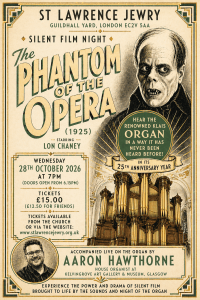 Phantom Of The Opera (Dir. Rupert Julian, 1925) (Screening format – not known, 103mins) A title that needs no introduction, The Phantom of the Opera has spawned many remakes, remasters and sequels. This original film version, produced with moments of early Technicolour, sees Lon Chaney, the ‘Man of a Thousand Faces’ perform one of his most iconic roles. His ghastly make-up and outrageous performance made this title a benchmark in the American silent film era. The film was a critical and commercial success upon release, and still stands as an important film in cinematic history to this day. Famed for the phantom’s shock unmasking, incredible set designs and the masked ball sequence, it still packs a punch. Find out more at wikipedia.org With live organ accompaniment by Aaron Hawthorne. Guild Church of St Lawrence Jewry, London Link
 The Woman That Men Yearn For (aka Die Frau, nach der man sich sehnt) (Dir, Curtis Bernhard, Ger, 1929) (Screening format – not known, 78mins) The dreamy Charles Leblanc (Oskar Sima), about to marry into a wealthy steel-making family, glimpses Stascha (Marlene Dietrich) and her companion Karoff (Fritz Kortner) as they pause for a drink at a bar in his small southern
 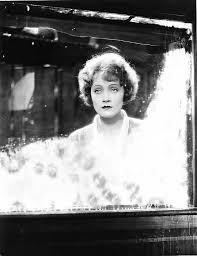 France town. They meet again on the train taking him and his wife on their honeymoon. Overwhelmed by Stascha’s sexuality, and ignoring his distraught new wife, Leblanc agrees to help her escape from the domineering Karoff, setting in motion a chain of obsessive, destructive events. Long before von Sternberg brought us Dietrich as Lola Lola in The Blue Angel, the actress had already created her femme fatale persona with this, her first starring role. Although made on something of a shoestring budget and wholly studio
 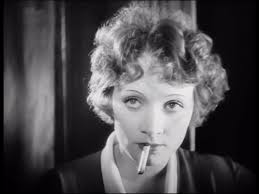 shot, the film benefits from excellent direction from Bernhardt, Dietrich smoulders superbly and the rest of the cast are excellent. Unfortunately the film was released just as audiences were clamouring for sound films and as a result it was not particularly successful. But this is a welcome opportunity to see this rarely screened classic which marked an important milestone in Dietrich’s career development Find out more at silentfilm.org . Presented by Northern Silents. With live musical accompaniment by pianist Jonny Best. Link
29 October
Phantom Of The Opera (Dir. Rupert Julian, 1925) (Screening format – not known, 103mins) A title that needs no introduction, The Phantom of the Opera has spawned many remakes, remasters and sequels. This original film version, produced with moments of early Technicolour, sees Lon Chaney, the ‘Man of a Thousand Faces’ perform one of his most iconic roles. His ghastly make-up and outrageous performance made this title a benchmark in the American silent film era. The film was a critical and commercial success upon release, and still stands as an important film in cinematic history to this day. Famed for the phantom’s shock unmasking, incredible set designs and the masked ball sequence, it still packs a punch. Find out more at wikipedia.org With live organ accompaniment by Donald Mackenzie. Regent Street Cinema, London Link
 Nosferatu (Dir. F W Murnau, 1922) (Screening format – not known, 96mins) A German Expressionist horror masterpiece starring Max Shreck as the vampire Count Orlok. The film was an unauthorised adaption of Bram Stoker’s ‘Dracula’ with names and other details changed because the studio could not obtain the rights to the novel. Stoker’s heirs sued over the adaption and a court ruling ordered that all copies of the film be destroyed. However, a few prints survived and the film came to be regarded as an inspirational master work of the cinema. In the film, Count Orlok travels across Europe leaving a trail of death in his wake. Brilliantly eerie, with imaginative touches which later adaptions never achieved. Find out more at wikipedia.org With live musical accompaniment by Hugo Max. Prince Charles Cinema, London Link
30 October
Phantom Of The Opera (Dir. Rupert Julian, 1925) (Screening format – not known, 103mins) A title that needs no introduction, The Phantom of the Opera has spawned many remakes, remasters and sequels. This original film version, produced with moments of early Technicolour, sees Lon Chaney, the ‘Man of a Thousand Faces’ perform one of his most iconic roles. His ghastly make-up and outrageous performance made this title a benchmark in the American silent film era. The film was a critical and commercial success upon release, and still stands as an important film in cinematic history to this day. Famed for the phantom’s shock unmasking, incredible set designs and the masked ball sequence, it still packs a punch. Find out more at wikipedia.org With live musical accompaniment by Andrew Wasylyk and Tommy Perman performing their new live score. Birks Cinema, Aberfeldy Link
 Metropolis (Dir. Fritz Lang, 1927) (Screening format –not known , 149 mins ) Made in Germany during the Weimar period, Metropolis is set in a futuristic urban dystopia and follows the attempts of Freder (Gustav Frohlich), the wealthy son of the city’s ruler, and Maria (Brigitte Helm), a poor worker, to overcome the vast gulf separating the classes of their city. Filming took place in 1925 at a cost of approximately five million Reichmarks, making it the most expensive film ever released up to that point. It is regarded as a pioneering work of science fiction and is among the most influential films of all time. Following its world premiere in 1927, half an hour was cut from Fritz Lang’s masterpiece and lost to the world. Eighty years later a spectacular discovery was made when the footage was found in a small, dusty museum in Buenos Aires. The film was then painstakingly reconstructed and digitally restored so that at last audiences could see the iconic futuristic fairy tale as Lang had envisioned it. Find out more at silentfilm.org With live organ accompaniment by Donald Mackenzie. Regent Street Cinema, London Link
 Nosferatu (Dir. F W Murnau, 1922) (Screening format – not known, 96mins) A German Expressionist horror masterpiece starring Max Shreck as the vampire Count Orlok. The film was an unauthorised adaption of Bram Stoker’s ‘Dracula’ with names and other details changed because the studio could not obtain the rights to the novel. Stoker’s heirs sued over the adaption and a court ruling ordered that all copies of the film be destroyed. However, a few prints survived and the film came to be regarded as an inspirational master work of the cinema. In the film, Count Orlok travels across Europe leaving a trail of death in his wake. Brilliantly eerie, with imaginative touches which later adaptions never achieved. Find out more at wikipedia.org With live musical accompaniment by Hugo Max. Augustine Hall, Canterbury Link
31 October
Phantom Of The Opera (Dir. Rupert Julian, 1925) (Screening format – not known, 103mins) A title that needs no introduction, The Phantom of the Opera has spawned many remakes, remasters and sequels. This original film version, produced with moments of early Technicolour, sees Lon Chaney, the ‘Man of a Thousand Faces’ perform one of his most iconic roles. His ghastly make-up and outrageous performance made this title a benchmark in the American silent film era. The film was a critical and commercial success upon release, and still stands as an important film in cinematic history to this day. Famed for the phantom’s shock unmasking, incredible set designs and the masked ball sequence, it still packs a punch. Find out more at wikipedia.org With live musical accompaniment by Andrew Wasylyk and Tommy Perman performing their new live score. An Lanntair, Stornaway Link
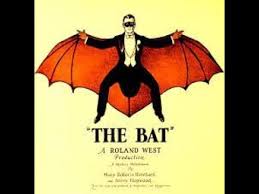 The Bat (Dir. Roland West, US, 1926) (Screening format – not known, 90 mins) The Bat, a master criminal terrorizing the city wearing a fearsome bat costume, sets his sinister sights on the eerie Fleming mansion. Within the walls of this spooky house, a bank robber has stashed $20,000 in stolen loot. Leasing the mansion is the wealthy Cornelia Van Gorder, along with her niece Dale. Dale’s fiance, Brooks Bailey, a cashier at the bank, becomes the prime suspect in the robbery investigation. But after the bank president is found dead, we’re in old dark house territory and everybody is a suspect. Based on the famous play by Mary Roberts Rinehart and Avery Hopwood, The Bat is
 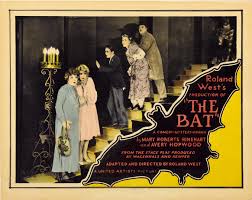 renowned for its expert use of miniatures and striking set designs by William Cameron Menzies. In 1930, Roland West skill-fully remade the film as a talkie, The Bat Whispers. Vincent Price starred in yet another version of The Bat in 1959. West, an innovator of movie-making techniques in the silent era, also made The Monster in 1925 with legendary silent star Lon Chaney. Along with the 1927 classic, The Cat And The Canary, The Bat is highly regarded as a prototype for the haunted house film genre that flourished in the ’30s and ’40s. Find out more at silentology.wordpress.com With live organ accompaniment by Donald Mackenzie. Musical Museum, Brentford Link
Nosferatu (Dir. F W Murnau, 1922) (Screening format – not known, 96mins) A German Expressionist horror masterpiece starring Max Shreck as the vampire Count Orlok. The film was an unauthorised adaption of Bram Stoker’s ‘Dracula’ with names and other details changed because the studio could not obtain the rights to the novel. Stoker’s heirs sued over the adaption and a court ruling ordered that all copies of the film be destroyed. However, a few prints survived and the film came to be regarded as an inspirational master work of the cinema. In the film, Count Orlok travels across Europe leaving a trail of death in his wake. Brilliantly eerie, with imaginative touches which later adaptions never achieved. Find out more at wikipedia.org With live musical accompaniment by Hugo Max. Prince Charles Cinema, London Link
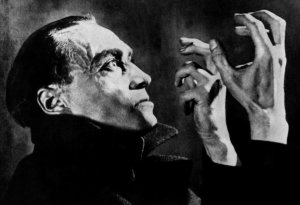 Hands of Orlac (Dir. Robert Weine, 1924) (Screening format – not known, 92mins ) A gruesome psychological horror about a talented concert pianist (Conrad Veidt, ‘Casablanca’), whose precious hands are amputated after a calamitous accident. Replacements are grafted on but soon after his operation Orlac learns the horrible truth – his new hands were from the cadaver of a recently executed killer. Plagued by nightmarish visions, Orlac fears his hands are possessed by evil and that he has become a murderer himself. Made five years after his landmark ‘Cabinet of Dr Caligari’ director Robert Weine strikes a more sombre and restrained look for this creepy drama but wrings every terrible shudder out of the theme of an alien body with a mind of its own. Find out more at slantmagazine.com . Presented by Northern Silents. With live musical accompaniment by Frame Ensemble (Jonny Best piano, Susannah Simmons violin, Liz Hanks cello and Trevor Bartlett percussion). Link
November
1 November
 Cat And The Canary (Dir. Paul Leni, US, 1927) (Screening format – not known, 82mins) The Cat and the Canary, originally a stage play, weaves a tale now very familiar to lovers of the horror genre. Cyrus West, a millionaire, died a presumed madman. His will is only to be read 20 years following his death. The heir? A 20-something girl by the name of Annabelle West. However, the will has an odd condition – since the greed of West’s family drove him to madness (like cats surrounding a canary), Annabelle must be deemed psychologically sound, or the money turns over to a secret heir named in an envelope held by Mr. Crosby, the lawyer
 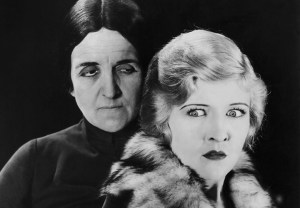 overseeing the will reading. Mr. Crosby soon goes missing, with Annabelle the only witness to his disappearance. Is Annabelle spiraling into insanity? Or is the mystery heir pushing her there? The film takes us on a twisty whodunit, one of the very first of the genre, and indubitably one of the few that withstands the test of time. Directed by German expressionist film-maker Paul Leni, his first Hollywood film after having been recruited by producer Carl Laemmle for Universal, and remade three times in the sound era, this silent version is considered the definitive rendering. Find out more at silentfilm.org. Introduced by Patrick Stanbury of Photoplay Pictures. With recorded Neil Brand score. BFI Southbank, London Link
4 November
Phantom Of The Opera (Dir. Rupert Julian, 1925) (Screening format – not known, 103mins) A title that needs no introduction, The Phantom of the Opera has spawned many remakes, remasters and sequels. This original film version, produced with moments of early Technicolour, sees Lon Chaney, the ‘Man of a Thousand Faces’ perform one of his most iconic roles. His ghastly make-up and outrageous performance made this title a benchmark in the American silent film era. The film was a critical and commercial success upon release, and still stands as an important film in cinematic history to this day. Famed for the phantom’s shock unmasking, incredible set designs and the masked ball sequence, it still packs a punch. Find out more at wikipedia.org With live musical accompaniment by Andrew Wasylyk and Tommy Perman performing their new live score. The Barn, Banchory Link
5 November
Phantom Of The Opera (Dir. Rupert Julian, 1925) (Screening format – not known, 103mins) A title that needs no introduction, The Phantom of the Opera has spawned many remakes, remasters and sequels. This original film version, produced with moments of early Technicolour, sees Lon Chaney, the ‘Man of a Thousand Faces’ perform one of his most iconic roles. His ghastly make-up and outrageous performance made this title a benchmark in the American silent film era. The film was a critical and commercial success upon release, and still stands as an important film in cinematic history to this day. Famed for the phantom’s shock unmasking, incredible set designs and the masked ball sequence, it still packs a punch. Find out more at wikipedia.org With live musical accompaniment by Andrew Wasylyk and Tommy Perman performing their new live score. Cowdray Hall, Aberdeen Link
7 November
 Man With a Movie Camera (Dir. Dziga Vertov, USSR, 1929) (Screening format – not known, 68mins) Part documentary and part cinematic art, this film follows a city in the 1920s Soviet Union throughout the day, from morning to night. Directed by Vertov, with a variety of complex and innovative camera shots (filmed by Vertov’s equally talented and innovative brother Mikhail Kaufman), the film depicts scenes of ordinary daily life in Russia. Vertov celebrates the modernity of the city, with its vast buildings, dense population and bustling industries. While there are no titles or narration, director and cameraman still naturally convey the marvels of the modern city. This is the first UK screening of this new release from Eye Filmmuseum which has been meticulously restored by the museum from the print that Dziga Vertov himself left in Amsterdam during his second European tour in 1931. For the first time in 97 years the film has the original musical accompaniment organised by Vertov for its premiere in April 1929, reconstructed from cue notes for the cinema orchestra at the event in a two-year project by Dr Leo Geyer and Richard Bossons. Find out more at rogerebert.com . With recorded score played by the Constella Orchestra conducted by Dr Geyer. London Film School, London WC2. Link
Man With a Movie Camera (Dir. Dziga Vertov, USSR, 1929) (Screening format – not known, 68mins) Part documentary and part cinematic art, this film follows a city in the 1920s Soviet Union throughout the day, from morning to night. Directed by Vertov, with a variety of complex and innovative camera shots (filmed by Vertov’s equally talented and innovative brother Mikhail Kaufman), the film depicts scenes of ordinary daily life in Russia. Vertov celebrates the modernity of the city, with its vast buildings, dense population and bustling industries. While there are no titles or narration, director and cameraman still naturally convey the marvels of the modern city. Find out more at rogerebert.com . With live musical accompaniment by S!nk (Daniel Dumnov, Matt Wright, Tim Vincent-Smith) Hippodrome Cinema, Bo’ness Link
The Cabinet of Dr Caligari (Dir. Robert Wiene, 1920) (Screening format – not known, 77 mins) In the village of Holstenwall, fairground hypnotist Dr Caligari (Werner Krauss) puts on show a somnambulist called Cesare (Conrad Veidt) who has been asleep for twenty three years. At night, Cesare walks the streets murdering people on the doctor’s orders. A student (Friedrich Feher) suspects Caligari after a friend is found dead and it transpires that the doctor is the director of a lunatic asylum. Fueled by the pessimism and gloom of post-war Germany, the sets by Hermann Warm stand unequaled as a shining example of Expressionist design. Find out more at wikipedia.org. Presented as part of the Norwich Film Festival. With live musical accompaniment by Minima. Norwich Theatre, Norwich Link
8 November
Queen Kelly (Dir. Erich von Stroheim, US, 1929) (Screening format – digital, 101mins) A young convent girl is seduced by a European nobleman, arousing the ire of his bride-to-be Queen Kelly and eventually finding herself exiled to a brothel in East Africa. This film solidified Stroheim’s reputation for extravagance and insistence on complete artistic freedom regardless of economic considerations. It would cost him his Hollywood career. Visually striking and perverse, this film was Erich von Stroheim’s last silent film and final directorial project. The production of the costly film was shut down after complaints by the star, Gloria Swanson, about the direction the film was taking. In later interviews, Swanson had claimed that she had been misled by the script which referred to her character arriving in, and taking over, a dance hall; looking at the rushes, it was obvious the ‘dance hall’ was actually a brothel. Stroheim was fired from the film and much of the story-line scrapped. Swanson and producer Joseph P Kennedy (with whom Swanson was having an affair) still wanted to salvage what was left, as it had been so costly and time-consuming, and had potential market value. An alternate ending was shot and the film was released in Europe and South America (but never in the US). This is the UK premier of a newly restored version of the film. Basing his reconstruction on von Stroheim’s original scripts, Milestone Films’ Dennis Doros and Amy Heller employed multiple techniques to recreate the film’s lurid dénouement. This vital new digital reconstruction brings von Stroheim’s original script to life, and the result is Queen Kelly in its most complete and spectacular form to date. Find out more at sensesofcinema.com. With recorded score. Quad Cinema, Derby Link
People on Sunday (Dir. Robert Siodmak/Edgar G Ulmer, Ger, 1929) (Screening format – digital, 74mins) Famously, Billy Wilder and Fred Zinnemann worked with Siodmak on this landmark of realist film making, a magical blend of documentary and fiction which takes us back to a glorious summer Sunday in late-1920s Berlin where five young workers take a day off to spend a flirtatious afternoon together at a lake on the edge of the city.. While they enjoy freedoms un-dreamt of by their parents, sexual rivalry soon lends an edge to their flirtations. The people portraying the characters were all amateurs belonging to a Berlin collective who, the opening credits inform us, had returned to their normal jobs by the time of the film’s release. They included a taxi driver, a record seller and a wine merchant. But together, the cast and crew produced a classic of silent film and one which still feels remarkably modern. Find out more at archive.org With recorded score. BFI Southbank, London Link
9 November
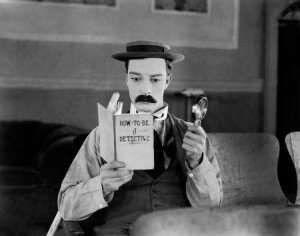 Sherlock Jnr (Dir. Buster Keaton, 1924) (Screening format – not known, 45 mins) In Sherlock Jr, a kindly movie projectionist (Buster Keaton) longs to be a detective. When his fiancée (Kathryn McGuire) is robbed by a local thief (Ward Crane), the poor projectionist is framed for the crime. Using his amateur detective skills, the projectionist follows the thief to the train station – only to find himself locked in a train car. Disheartened, he returns to his movie theatre, where he falls asleep and dreams that he is the great Sherlock Holmes. Although not a popular success on its initial release, the film has come to be recognised as a Keaton classic with its special effects and elaborate stunts making it a landmark in motion picture history. Find out more at silentfilm.org. With live organ accompaniment by Darius Battiwalla. Christ Church Spitalfields, London Link
11 November
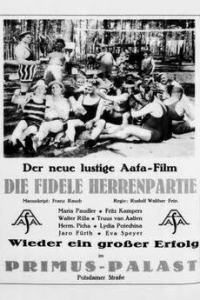 Gentlemen Amongst Themselves (aka Die fidele Herrenpartie) (Dir. Rudolf Walther-Fein, Ger, 1929) (Screening format – 35mm, 88mins) A comedy directed by Vienna-born Rudolf Walther-Fein, who began his career as an actor. He made his stage debut aged 17 in Iglau – a German-speaking region now part of the Czech Republic – and went on to appear in cities that included Vienna, Salzburg, Munich and, finally, Berlin. It was there, in 1919, that he first obtained work as a screenwriter and director. During the 1920s, Walther-
 Fein directed numerous films while simultaneously serving as a production manager for the Aafa-Film company and also taking on the role of artistic supervisor for other productions. His films were mostly comedies or romantic dramas, among them 1929’s Dich hab’ ich geliebt (It’s You I Have Loved or Because I Loved You), Germany’s first all-talking feature
  film. Gentlemen Among Themselves was filmed at the Staaken Studios in Berlin with sets designed by Botho Hoefer and Hans Minzloff. The story, by Franz Rauch, is of a woman warning her husband that his forthcoming stag party will be his last. Because he and his friends are determined to make the most of it, things get out of hand and the husband is knocked unconscious and his engraved lighter stolen. The lighter is subsequently used to identify a thief and the now-sober reveller believes himself to be a wanted man. Husband and wife are played by Hermann Picha and Lydia Potechina, with Maria Paudler as their daughter and Walter Rilla as her erstwhile suitor. Find out more at en.wikipedia.org Presented by the Kennington Bioscope. With live musical accompaniment. Cinema Museum, Lambeth Link
13 November
Phantom Of The Opera (Dir. Rupert Julian, 1925) (Screening format – not known, 103mins) A title that needs no introduction, The Phantom of the Opera has spawned many remakes, remasters and sequels. This original film version, produced with moments of early Technicolour, sees Lon Chaney, the ‘Man of a Thousand Faces’ perform one of his most iconic roles. His ghastly make-up and outrageous performance made this title a benchmark in the American silent film era. The film was a critical and commercial success upon release, and still stands as an important film in cinematic history to this day. Famed for the phantom’s shock unmasking, incredible set designs and the masked ball sequence, it still packs a punch. Find out more at wikipedia.org With live musical accompaniment by Andrew Wasylyk and Tommy Perman performing their new live score. CineCity, Brighton Link
The Adventures of Prince Achmed (Dir. Lotte Reiniger , Ger, 1926) (Screening format – not known, 65mins) The first feature-length animation in film history, masterminded by Lotte Reiniger and hand-tinted frame by frame. Based on ‘The Arabian Nights’, the film tells the epic tale of Prince Achmed, who is tricked into mounting a magical flying horse by a wicked sorcerer. The horse carries Achmed off on a series of adventures, over the course of which he joins forces with young Aladdin, battles ogres and monsters and romances the beautiful Princess Peri Banu.Find out more at wikipedia.org . With live musical accompaniment by Hugo Max. Turner Sims, Southampton Link
14 November
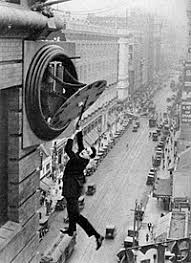 Safety Last (Dir. Fred C Newmeyer/Sam Taylor, US, 1923) (Screening format – not known, 73mins) A boy (Harold Lloyd) moves to New York City to make enough money to support his loving girlfriend (Mildred Davis), but soon discovers that making it in the big city is harder than it looks. When he hears that a store manager will pay $1,000 to anyone who can draw people to his store, he convinces his friend, the “human fly,” (Bill Strother) to climb the building and split the profit with him. But when his pal gets in trouble with the law, he must complete the crazy stunt on his own. The image of Harold Lloyd hanging desperately from the hands of a skyscraper clock during Safety Last! is one of the great icons of film history (although it was achieved with a certain amount of film trickery) and this remains one of the best and best loved comedies of the silent era. Find out more at rogerebert.com. With live organ accompaniment by David Ivory. St Peter’s Church, Cradley Link
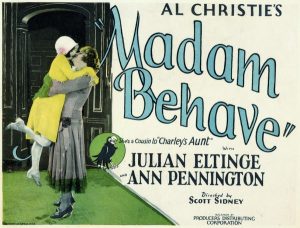 Madame Behave(Dir, Scott Sidney, US, 1925) (Screening format – not known, 55mins) Following the great success of cross-dressing comedy Charley’s Aunt in 1925, producer Al Christie followed up with a film starring the celebrated female impersonator Julian Eltinge. This showing is a rare chance to see Eltinge strut his stuff, alongside a great comedy cast. This screening will include newly scanned 35mm elements from the Library of Congress, enabling presentation of a partial restoration of the film. Find out more at catalog.afi.com. Presented as part of the Kennington Bioscope Silent Comedy Weekend. With live musical accompaniment. Cinema Museum, Lambeth Link
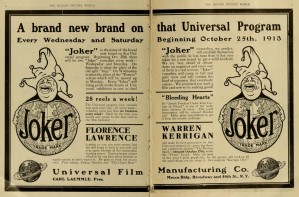 Focus On… Joker Continuing the KB Silent Comedy Weekend’s series of spotlights on some of the forgotten comedy studios, this time they are very pleased to present an introduction to the world of Joker Comedies. Presented by Thomas Reeder, author of a new book about the studio, the programme will showcase rare comedy treats featuring Louise Fazenda, Bobby Vernon, Gale Henry, Billy Franey, Milburn Morante, Lillian Peacock, Max Asher, Harry McCoy, Dot Farley and Lon Chaney. Presented as part of the Kennington Bioscope Silent Comedy Weekend. With live musical accompaniment. Cinema Museum, Lambeth Link
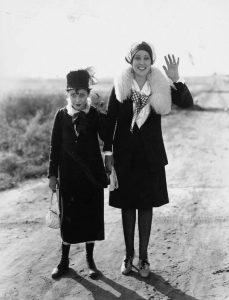 Silent Comedy Teams Laurel & Hardy might be the best-loved silent comedy team, but they weren’t the first, and far from the only one. Silent comedy enthusiast Matthew Ross presents a deep dive into the history of silent double (and triple!) acts. Expect clips and classic shorts featuring John Bunny & Flora Finch, Roscoe Arbuckle & Buster Keaton, ‘A Ton of Fun’, Anita Garvin & Marion Byron and more. And of course, we have to feature Mr Laurel & Mr Hardy! Wrong Again (1929) is one of their most off-beat comedies, in which – through a series of misunderstandings – they find themselves coaxing a horse on top of a grand piano! Presented as part of the Kennington Bioscope Silent Comedy Weekend. With live musical accompaniment. Cinema Museum, Lambeth Link
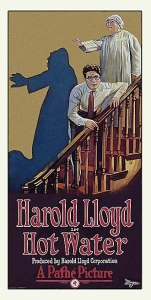 Hot Water (Dir. Fred C. Newmeyer and Sam Taylor, US, 1924) and Saturday Afternoon (Dir. Harry Edwards, US, 1926) (Screening format – not known, 60/30mins) Two short – but perfectly formed – mini feature films. Harry Langdon’s Saturday Afternoon is a sweet-natured domestic comedy that sees innocent Harry led astray by his
 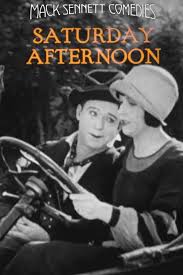 friend Vernon Dent. Langdon’s pantomimic gifts are given full reign in this three reel comedy. Hot Water is one of Harold Lloyd’s less well-remembered films, but contains some brilliant set pieces, including one of his funniest: Harold’s attempts to bring a live turkey home on a tramcar! Presented as part of the Kennington Bioscope Silent Comedy Weekend. With live musical accompaniment. Cinema Museum, Lambeth Link
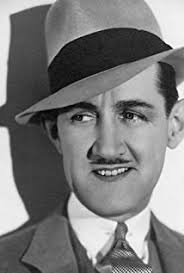 1926: It Was a Very Good Year It’s the centenary of a golden year for silent comedy. Join silent comedy experts Glenn Mitchell and Dave Glass as they present a selection of the very best short comedies from 1926. Expect classics starring Lloyd Hamilton, Billy Bevan, Kennington Bioscope favourite Charley Chase, and more. Presented as part of the Kennington Bioscope Silent Comedy Weekend. With live musical accompaniment. Cinema Museum, Lambeth Link
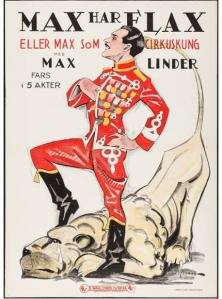 King of the Circus (Dir. Édouard-Émile Violet, Aust, 1924) (Screening format – not known, 64mins) The great Max Linder laid the template for the great screen comedians, and Charlie Chaplin cited him as a major influence. He died tragically young at the age of 41 in 1925, but made a handful of feature films before he left us. In the film, Max de Pompadour is an inveterate party animal. Put on notice by his uncle to mellow down and get married, he claims to love the beautiful Ketty, a triumphant member of the Buffalo Circus. Neither Max’s uncle nor Ketty’s father accepts what they consider a mismatch. At Ketty’s insistence, Max decides to become “king of the circus”: he becomes a flea trainer, supports a boxing match and, believing he has rigged a dressage act, tames a ferocious lion with a smile. Will this be enough to win Ketty’s hand? King of the Circus, his last film, has long been unavailable but has now been lovingly restored; KenBio are delighted and very proud to host its UK premiere as part of Silent Laughter Weekend. Find out more at silentfilm.org Presented as part of the Kennington Bioscope Silent Comedy Weekend. Introduced (digitally) by Serge Bromberg of Lobster Films, who reconstructed and restored the film.With live musical accompaniment. Cinema Museum, Lambeth Link
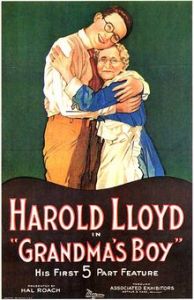 Grandma’s Boy (Dir. Fred C Newmeyer, US, 1922) (Screening format – not known, 60 mins) Grandma’s Boy is a brilliant blend of comedy, pathos, and character development, showcasing Harold Lloyd’s unique ability to combine physical slapstick with genuine human emotion. The story follows “Sunny” Harold (Lloyd), a timid, cowardly young man who is afraid of almost everything—from the local bully to the very idea of confrontation. When a crime occurs in town and the sheriff is too afraid to pursue the culprit, Harold is pressured to step up. His grandmother gives him an old umbrella handle, claiming it is a “magic charm” that once gave his grandfather the courage to be a hero during the Civil War. Empowered by the belief in the charm, Harold undergoes a transformation, discovering the bravery that was inside him all along. Find out more at www.tumblr.com/dweemeister. With live organ accompaniment by Donald Mackenzie. St Aiden’s, Bristol. Link
 Phantom Of The Opera (Dir. Rupert Julian, 1925) (Screening format – not known, 103mins) A title that needs no introduction, The Phantom of the Opera has spawned many remakes, remasters and sequels. This original film version, produced with moments of early Technicolour, sees Lon Chaney, the ‘Man of a Thousand Faces’ perform one of his most iconic roles. His ghastly make-up and outrageous performance made this title a benchmark in the American silent film era. The film was a critical and commercial success upon release, and still stands as an important film in cinematic history to this day, with press quotes from the time labelling the film an ‘ultra-fantastic
 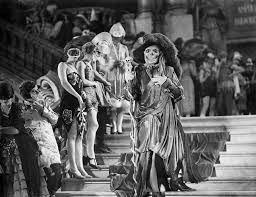 melodrama’ (New York Times), ‘produced on a stupendous scale’ (Moving Picture World) and ‘probably the greatest inducement to nightmare that has yet been screened’ (Variety). The mysterious phantom (Lon Chaney) is a vengeful composer living in the catacombs under the Paris Opera House, determined to promote the career of the singer he loves (Mary Philbin). Famed for the phantom’s shock unmasking, incredible set designs and the masked ball sequence, it still packs a punch. Find out more at wikipedia.org With live musical accompaniment by Andrew Wasylyk and Tommy Perman. Garden Cinema, London Link
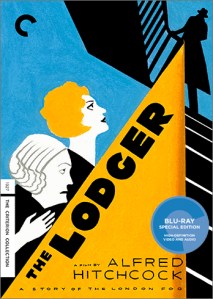 The Lodger: A Story of the London Fog (Dir. Alfred Hitchcock, UK, 1927) (Screening format – not known, 91 mins ) In The Lodger, a serial killer known as “The Avenger” is on the loose in London, murdering blonde women. A mysterious man (Ivor Novello) arrives at the house of Mr. and Mrs. Bunting looking for a room to rent. The Bunting’s daughter (June Tripp) is a blonde model and is seeing one of the detectives (Malcolm Keen) assigned to
 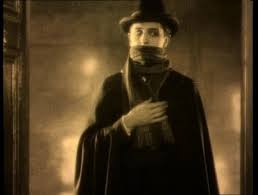 the case. The detective becomes jealous of the lodger and begins to suspect he may be the avenger. Based on a best-selling novel by Marie Belloc Lowndes, first published in 1913, loosely based on the Jack the Ripper murders, The Lodger was Hitchcock’s first thriller, and his first critical and commercial success. Made shortly after his return from Germany, the film betrays the influence of the German expressionist tradition established in such films as The Cabinet of Dr. Caligari (1919) and Nosferatu (1922). Find out more at silentfilm.org Presented by South West Silents. With live piano accompaniment by Neil Brand. Megascreen, Bristol Link
15 November
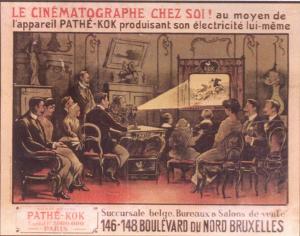 The 28MM Comedy Show 28mm was an early attempt to create a show-at-home film gauge for amateurs. Later made obsolete by 9.5 and 16mm films, it existed long enough to preserve some otherwise lost comedies. At this very special showing, film collector Christopher Bird will present some of these rare comedies on celluloid, using a 28mm projector. Make sure you’re here early to catch this unique event, a feast of gloriously archaic analogue technology and extremely rare comedy films on real film! Presented as part of the Kennington Bioscope Silent Comedy Weekend. Introduced by film collector and historian Christopher Bird. With live musical accompaniment. Cinema Museum, Lambeth Link
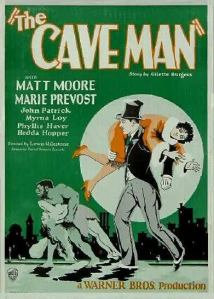 The Caveman (Dir. Lewis Milestone, US, 1926) (Screening format – not known, 70mins) Marie Prevost was one of the great silent comediennes, excelling at portraying sexy, sassy, strong women. In The Caveman, she’s rich and bored of the oh-so polite gentlemen she’s been dating. What else to do but grab a he-man from the tenements and pass him off as a professor? This gender-reversed Pygmalion is one of
 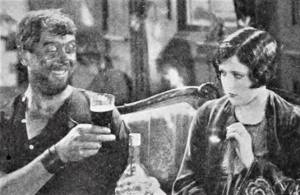 three comedies made by Marie Prevost with director Lewis Milestone who knew that sometimes all you need to get a laugh is the right camera position—and the devil’s favorite coquette in a starring role. With Matt Moore as a hilarious fish-out-of-water coalheaver and Myrna Loy as the wary maid. The KenBio are proud to be showing the UK premiere of a new restoration of the film. Find out more at wikipedia.org Presented as part of the Kennington Bioscope Silent Comedy Weekend. Introduced by Michelle Facey. With live musical accompaniment. Cinema Museum, Lambeth Link
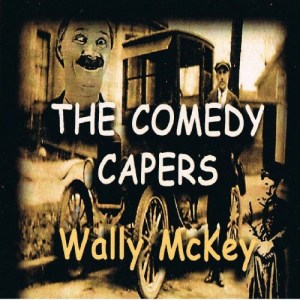 Those TV Shows… In the 1950s and 60s, renewed interest in silent comedies saw several TV shows devoted to showcasing them: Golden Silents, Comedy Capers, Mad Movies… How many do you remember? For many of us, these programmes were our first introduction to the world of silent laughter. Dave Glass gets nostalgic as he digs into the stories behind these programmes. Featuring lots of clips (and an occasional, annoyingly catchy theme tune…) Presented as part of the Kennington Bioscope Silent Comedy Weekend. Introduced by Dave Glass. With live musical accompaniment. Cinema Museum, Lambeth Link
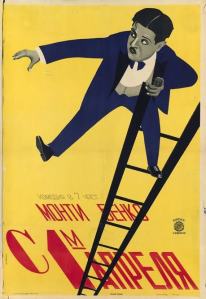 Atta Boy (Dir. Edward H Griffith, US, 1926) (Screening format – not known, 63mins) Another 1926 gem from our favourite Italian comic, little Monty Banks. Made on the heels of his classic Play Safe (1927), Atta Boy (left) sees Monty on fine form as Monty Milde, a copy boy on a large daily newspaper in New York, who dreams of becoming a real reporter. On his birthday, which is April Fools Day, a practical joker tells him he has been promoted to being a reporter, and sends him out to interview Mr. Harrie, who is furious because the newspaper has printed a story suggesting that domestic problems were behind the kidnapping of his young son. Featuring lots of great gags, and one of Banks’ patented stunt sequences – hanging from a ladder atop a speeding car – as a climax. Find out more at catalog.afi.com Presented as part of the Kennington Bioscope Silent Comedy Weekend. With live musical accompaniment. Cinema Museum, Lambeth Link
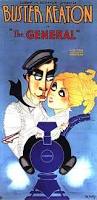 The General (Dir. Buster Keaton/Clyde Bruckman, 1926) (Screening format – not known, 75mins) Widely considered one of the greatest films ever made and one of the most revered comedies of the silent era, Buster Keaton’s effortless masterpiece sees hapless Southern railroad engineer Johnny Gray (Keaton) facing off against Union soldiers during the American Civil War. When Johnny’s fiancée, Annabelle Lee (Marion Mack), is accidentally taken away while on a train stolen by Northern forces, Gray pursues the soldiers, using various modes of transportation in comic action scenes that highlight Keaton’s boundless, innovative wit and joyful, lighthearted dexterity, to reclaim the train and thereby save the South. Find out more at busterkeaton.com . Presented as part of the Kennington Bioscope Silent Comedy Weekend. Introduced by David McLeod, of The Blinking Buzzards, the UK Buster Keaton Appreciation SocietyWith live musical accompaniment. Cinema Museum, Lambeth Link
20 November
 Peter Pan (Dir. Herbert Brenon, US, 1924) (Screening format – not known, 105mins) J M Barrie’s famous story of Peter Pan, a magical boy who refuses to grow up, brings the Darling children (Wendy, John, and Michael) from London to Neverland where they have adventures that include a confrontation with the pirate Captain Hook and his crew. Betty Bronson was personally selected by Barrie to play Peter Pan in this first film adaptation of the beloved fairy tale, a film that is an awful lot darker than the Disney version. . It closely follows J. M. Barrie’s 1904 play, even lifting dialogue from the stage script for the intertitles. Anna May Wong plays the Indian princess Tiger Lily. The film was photographed by Wong’s friend, future two-time Academy Award-winner, James Wong Howe, whose signature low-key lighting creates some of the most dramatic effects in an otherwise brightly lit and heavily diffused fantasy world. Find out more at imdb.com With live organ accompaniment by Donald Mackenzie. St Mary’s Parish Church, Clitheroe. Link
22 November
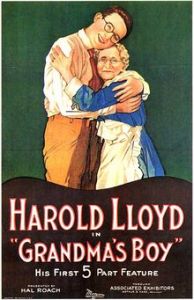 Grandma’s Boy (Dir. Fred C Newmeyer, US, 1922) (Screening format – not known, 60 mins) Grandma’s Boy is a brilliant blend of comedy, pathos, and character development, showcasing Harold Lloyd’s unique ability to combine physical slapstick with genuine human emotion. The story follows “Sunny” Harold (Lloyd), a timid, cowardly young man who is afraid of almost
  everything—from the local bully to the very idea of confrontation. When a crime occurs in town and the sheriff is too afraid to pursue the culprit, Harold is pressured to step up. His grandmother gives him an old umbrella handle, claiming it is a “magic charm” that once gave his grandfather the courage to be a hero during the Civil War. Empowered by the belief in the charm, Harold undergoes a transformation, discovering the bravery that was inside him all along. Find out more at www.tumblr.com/dweemeister. With live organ accompaniment by Donald Mackenzie. Musical Museum, Brentford. Link
27 November
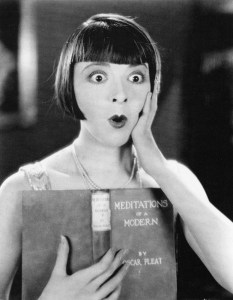 Funny Ladies Of The Silent Screen – From the great studios like Keystone, MGM, and Hal Roach came megastars like Clara Bow, Beatrice Lillie, Gloria Swanson and Marie
 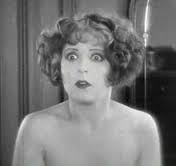 Dressler, and unjustly neglected comediennes like Coleen Moore and Louise Fazenda. Thankfully, their funniest silent movie moments survive and are brought together in this show to entertain audiences a century later. Presented as part of the Wareham Cinema’s Silent Weekend. With live piano accompaniment by Neil Brand. Rex Cinema, Wareham Link
The General (Dir. Buster Keaton/Clyde Bruckman, 1926) (Screening format – not known, 75mins) Widely considered one of the greatest films ever made and one of the most revered comedies of the silent era, Buster Keaton’s effortless masterpiece sees hapless Southern railroad engineer Johnny Gray (Keaton) facing off against Union soldiers during the American Civil War. When Johnny’s fiancée, Annabelle Lee (Marion Mack), is accidentally taken away while on a train stolen by Northern forces, Gray pursues the soldiers, using various modes of transportation in comic action scenes that highlight Keaton’s boundless, innovative wit and joyful, lighthearted dexterity, to reclaim the train and thereby save the South. Find out more at busterkeaton.com . With live organ accompaniment by Donald Mackenzie. Regent Street Cinema, London Link
28 November
Riding The Rails – From the earliest train film ever shot (1895) through wrecks and chases, stunts and phantom rides, we ride the rails of silent railway films culminating in Buster Keaton’s magisterial comedy classic The General (Dir. Buster Keaton/Clyde Bruckman, 1926) (Screening format – not known, 75mins) Widely considered one of the greatest films ever made and one of the most revered comedies of the silent era, Buster Keaton’s effortless masterpiece sees hapless Southern railroad engineer Johnny Gray (Keaton) facing off against Union soldiers during the American Civil War. When Johnny’s fiancée, Annabelle Lee (Marion Mack), is accidentally taken away while on a train stolen by Northern forces, Gray pursues the soldiers, using various modes of transportation in comic action scenes that highlight Keaton’s boundless, innovative wit and joyful, lighthearted dexterity, to reclaim the train and thereby save the South. Find out more at busterkeaton.com . Presented as part of the Wareham Cinema’s Silent Weekend. With live piano accompaniment by Neil Brand. Rex Cinema, Wareham Link
29 November
 The Adventures of Prince Achmed (Dir. Lotte Reiniger , Ger, 1926) (Screening format – not known, 65mins) The first feature-length animation in film history, masterminded by Lotte Reiniger and hand-tinted frame by frame. Based on ‘The Arabian Nights’, the film tells the epic tale of Prince Achmed, who is tricked into mounting a magical flying horse by a wicked sorcerer. The horse carries Achmed off on a series of adventures, over the course of which he joins forces with young Aladdin, battles ogres and monsters and romances the beautiful Princess Peri Banu.Find out more at wikipedia.org . With live musical accompaniment by Hugo Max. Curzon Cinema, Clevedon Link
December
5 December
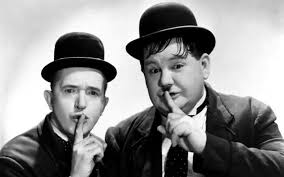 The Live Ghost Tent – Quarterly meeting of The Laurel and Hardy Society. Programme tba. With recorded score. Cinema Museum, Lambeth Link
6 December
Queen Kelly (Dir. Erich von Stroheim, US, 1929) (Screening format – digital, 101mins) A young convent girl is seduced by a European nobleman, arousing the ire of his bride-to-be Queen Kelly and eventually finding herself exiled to a brothel in East Africa. This film solidified Stroheim’s reputation for extravagance and insistence on complete artistic freedom regardless of economic considerations. It would cost him his Hollywood career. Visually striking and perverse, this film was Erich von Stroheim’s last silent film and final directorial project. The production of the costly film was shut down after complaints by the star, Gloria Swanson, about the direction the film was taking. In later interviews, Swanson had claimed that she had been misled by the script which referred to her character arriving in, and taking over, a dance hall; looking at the rushes, it was obvious the ‘dance hall’ was actually a brothel. Stroheim was fired from the film and much of the story-line scrapped. Swanson and producer Joseph P Kennedy (with whom Swanson was having an affair) still wanted to salvage what was left, as it had been so costly and time-consuming, and had potential market value. An alternate ending was shot and the film was released in Europe and South America (but never in the US). This is the UK premier of a newly restored version of the film. Basing his reconstruction on von Stroheim’s original scripts, Milestone Films’ Dennis Doros and Amy Heller employed multiple techniques to recreate the film’s lurid dénouement. This vital new digital reconstruction brings von Stroheim’s original script to life, and the result is Queen Kelly in its most complete and spectacular form to date. Find out more at sensesofcinema.com. With recorded score. With introduction from critic, film historian and author Pamela Hutchinson. Worthing Theatre and Museums, Worthing Link
9 December
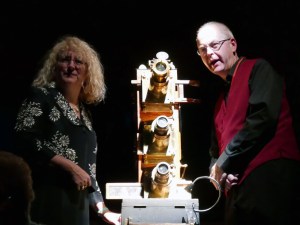 Early Colour Live A collaboration between legendary magic lanternists Jeremy and Carolyn Brooker, and the Kennington Bioscope, this unique evening will feature a fantasia of colour from the era of the magic lantern through to early cinema. The Brookers will use an original triunial lantern to show how spectacular and inventive a magic lantern show could be, while Christopher Bird will demonstrate examples of colour in early cinema, including stencil colour, hand-coloured Méliès, and genuine Kinemacolor, the first true colour system, on his hand-cranked 35mm projector. Presented by the Kennington Bioscope. With live musical accompaniment. Cinema Museum, Lambeth Link
13 December
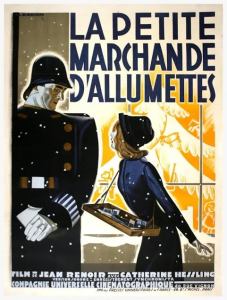 The Little Match Girl (Dir. Jean Renoir, Fr, 1928) + Play Safe (Dir. Joseph Henabery, US, 1927) (Screening format – not known, 34/50mins) Based on the classic fairy tale by Hans Christian Andersen, this 1928 adaptation of The Little Match Girl is not a standard narrative film, but rather a work of “visual poetry.” Jean Renoir, later to become one of the most influential directors in cinema history, used this film to experiment with light, shadow, and surreal imagery, creating an atmosphere that is both haunting and beautiful. The film tells the tragic yet ethereal story of a young, impoverished girl struggling to sell matches on a cold, snowy New Year’s Eve.
  As she strikes her matches to keep warm, she experiences vivid, dreamlike visions of warmth, comfort, and joy. The film captures the stark contrast between the harsh reality of her surroundings and the magical, imaginative world she enters as she drifts away. Find out more
  at en.wikipedia.org In Play Safe A gang of bad guys menace Monty’s (Monty Banks) girlfriend, played by Virginia Lee Corbin . She hides in a freight car and a misstep sends the otherwise-empty train out of the station with the lever pushed to full speed. As the train gains speed, Monty attempts a daring rescue. An oncoming locomotive, a water tower, a steep grade, a frayed rope and a broken plank between cars complicate the hero’s task. Although long remembered for the climatic runaway train sequence, the film was not particularly successful. An abridged two-reel version was shown in the United States as Chasing Choo Choos and the original version fell into obscurity. Find out more at strictly-vintage-hollywood.blogspot.com. With live organ accompaniment by Donald Mackenzie. Musical Museum, Brentford Link

